

Turtle Conservation, Adventure & Culture Tour Experience in Costa Rica






Embark on a transformative 15-day journey that blends the thrill of tropical adventure with the purposeful work of wildlife preservation. From patrolling the moonlit beaches of the Caribbean for nesting Leatherback turtles to ziplining through the rainforest, this expedition offers a rare balance of hands-on conservation science, indigenous cultural immersion, and adrenaline-fueled exploration in one of the world’s most biodiverse nations.
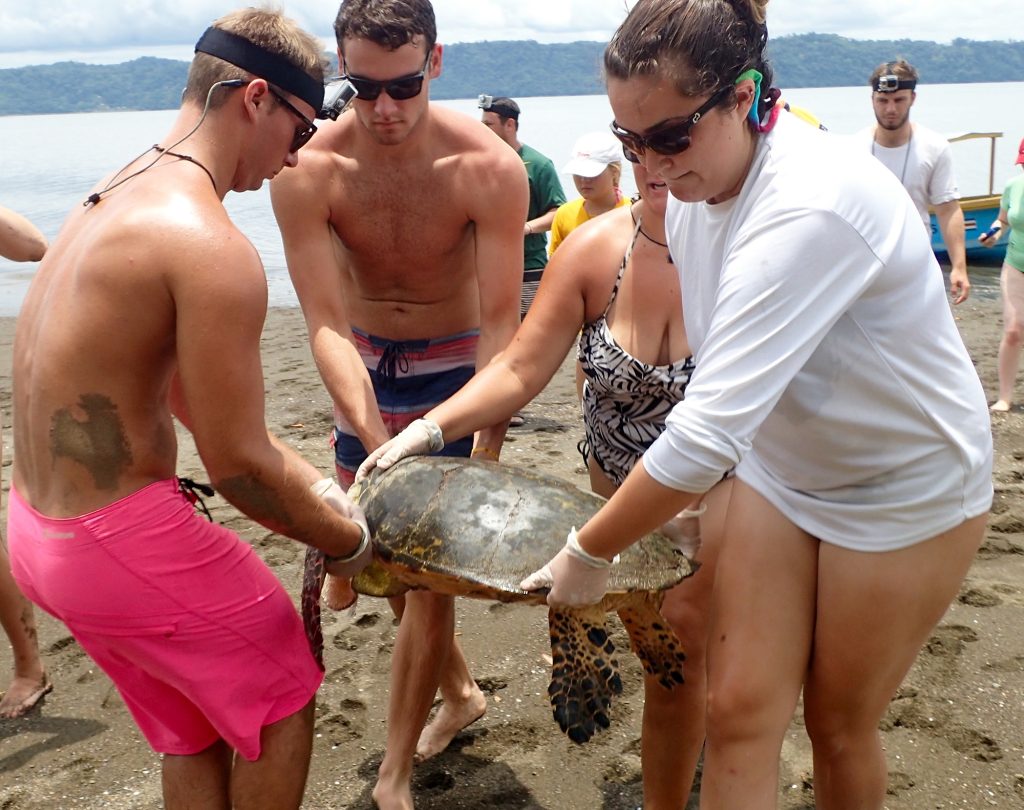
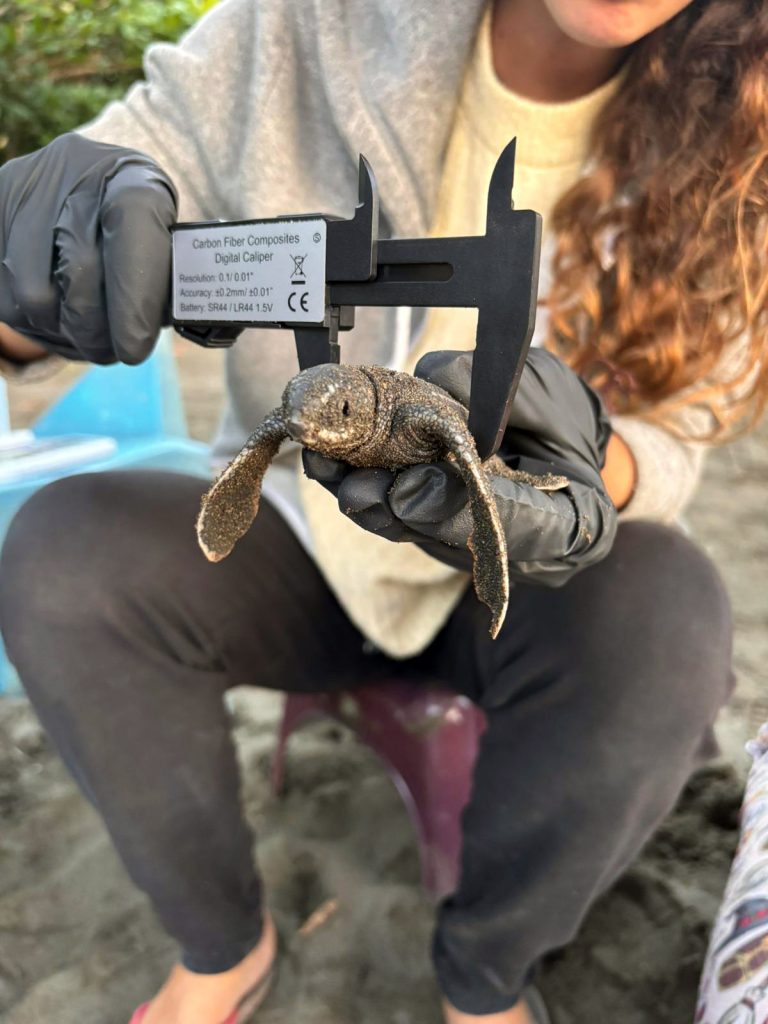
- Sea Turtle Conservation: spend 4 nights at the remote Pacuare Reserve assisting biologists with night patrols, nest excavations, and data collection for endangered Leatherback turtles.
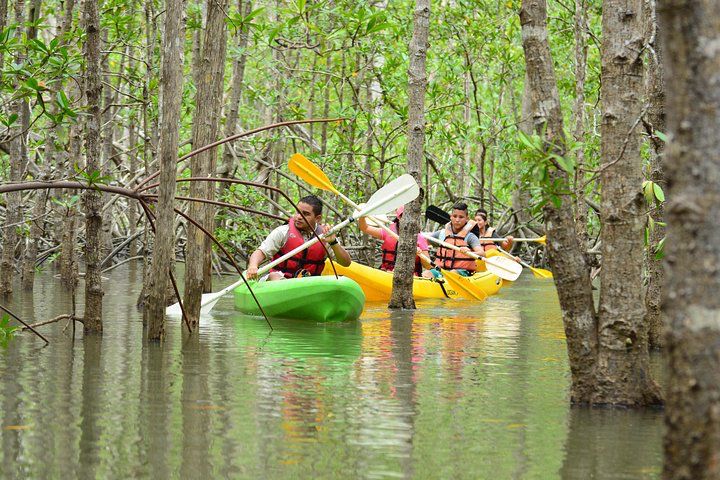
- Rio Coronado Kayaking: Kayaking through protected river and mangrove with an indigenous guide.
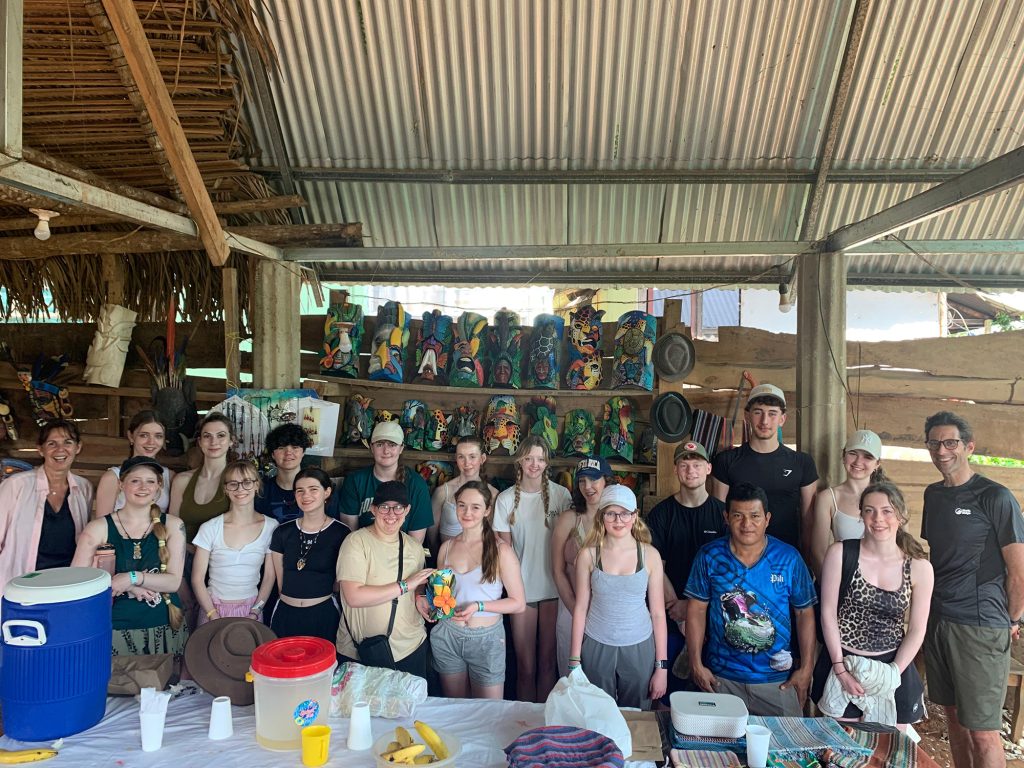
- Indigenous Immersion: Visit a local Boruca indigenous community to learn about their ancestral traditions, sustainable lifestyle, and deep connection to the forest.
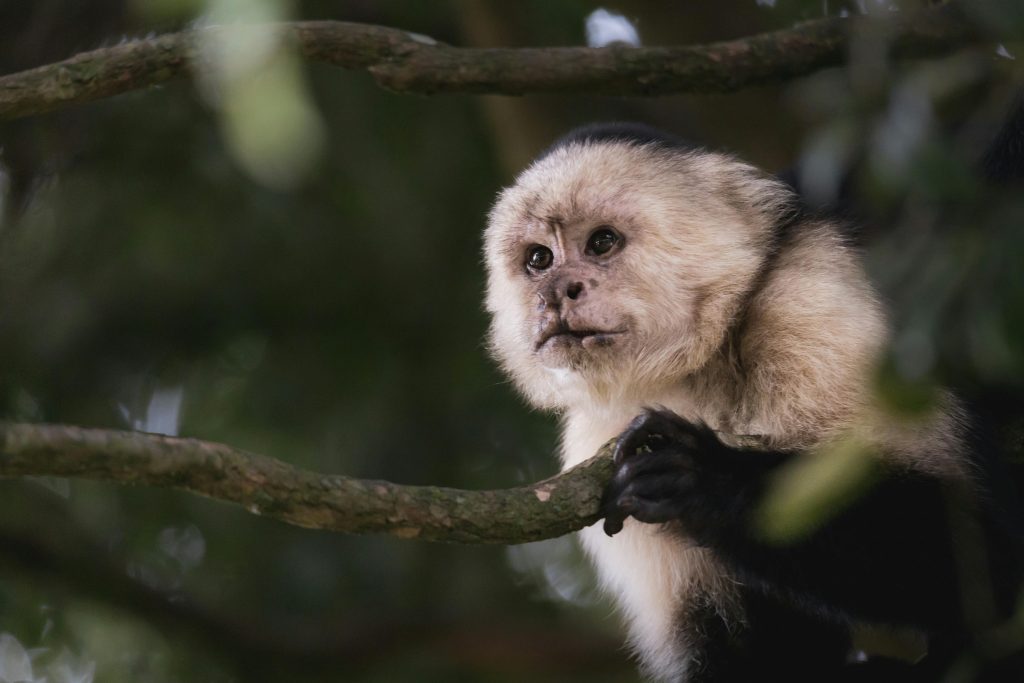
- Crocodile Boat Safari: Navigate the river with the largest population of crocodiles in America, spotting monkeys, crocodiles, and an abundance of birdlife.
- Rain Forest Adventure: Soar through the canopy on zip-lines and experience the rainforest at close quarters.
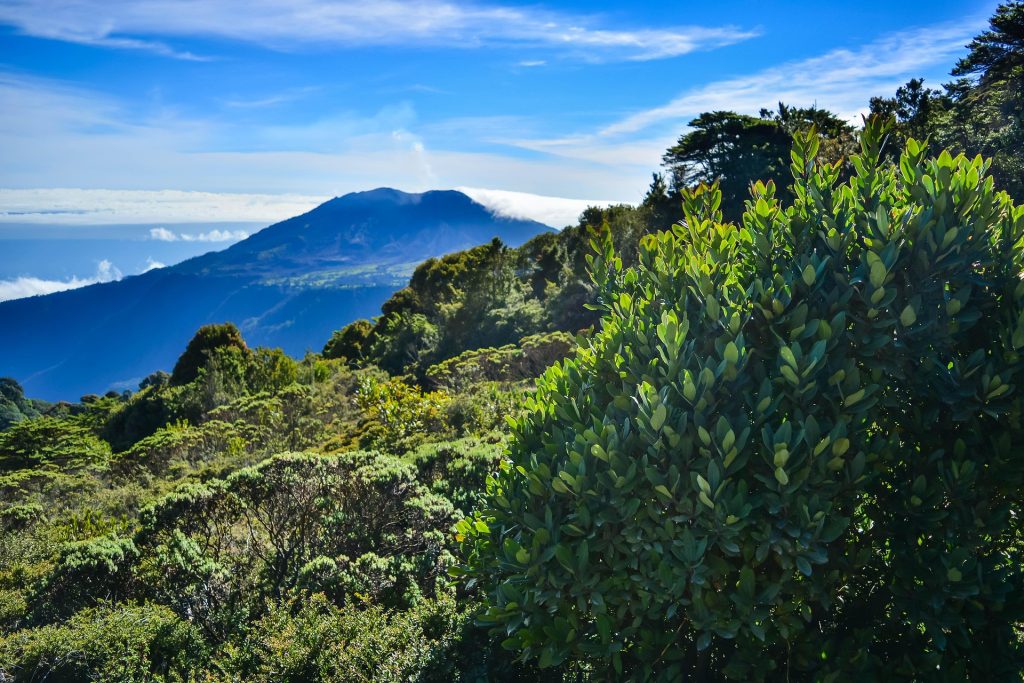
- Volcanic Wonders: Enter the volcanic landscape of Miravalles Volcano and relax in geothermal hot springs and mud baths.
This itinerary is designed for those who want to do more than just see Costa Rica — they want to experience the country in a truly sustainable way and contribute to genuine, grass roots, conservation of its nature and culture. The first phase of the trip is anchored at the sea turtle reserve in Pacuare, a family owned and operated research station accessible only by boat. Here, you will disconnect from the digital world and reconnect with nature, working side-by-side with researchers to protect giant sea turtles.
Following your conservation work, the pace shifts to high adventure. You will leave the Caribbean region via the high altitude rainforest route, experiencing its wide biodiversity along the way. The second week takes you across to the volcanic northern plains and mountains, the cool, misty cloud forests, and the lowland rainforest, where you will have the chance to connect with the indigenous Boruca people.
This adventure will take you through 6 of the 7 provinces, through the main climates, through two oceans, rivers, mangroves, mountains and forest. You will experience the vibrant culture of the “Ticos” through living together in nature, community visits, and expert-led wildlife expeditions, ensuring a holistic understanding of this “Rich Coast.”
We require a minimum of 10 people to join this trip.
- Welcome to Costa Rica! Arrive at Juan Santamaría International Airport (SJO). You will be met by your bilingual guide and transferred to your base hotel in Esparza.
- Evening: Welcome dinner and orientation briefing to prepare for the expedition ahead.
- Overnight: Paraiso de Esparza
- Depart early for the Caribbean coast, passing through the majestic Braulio Carrillo National Park.
- Lunch at own cost at a buffet where you can chose from a wide range of food, always fresh.
- Arrive at the Matina Dock and board a private boat for a scenic ride through the canals to the Laguna Urpiano Reserve, nestled between the ocean and the rainforest.
- Afternoon: Introduction to the station, health & safety briefing, and settle in.
- Evening: First night patrol training. Walk the beach under the stars looking for nesting turtles.
- Overnight: Laguna Urpiano
- Four full days dedicated to conservation and ecology.
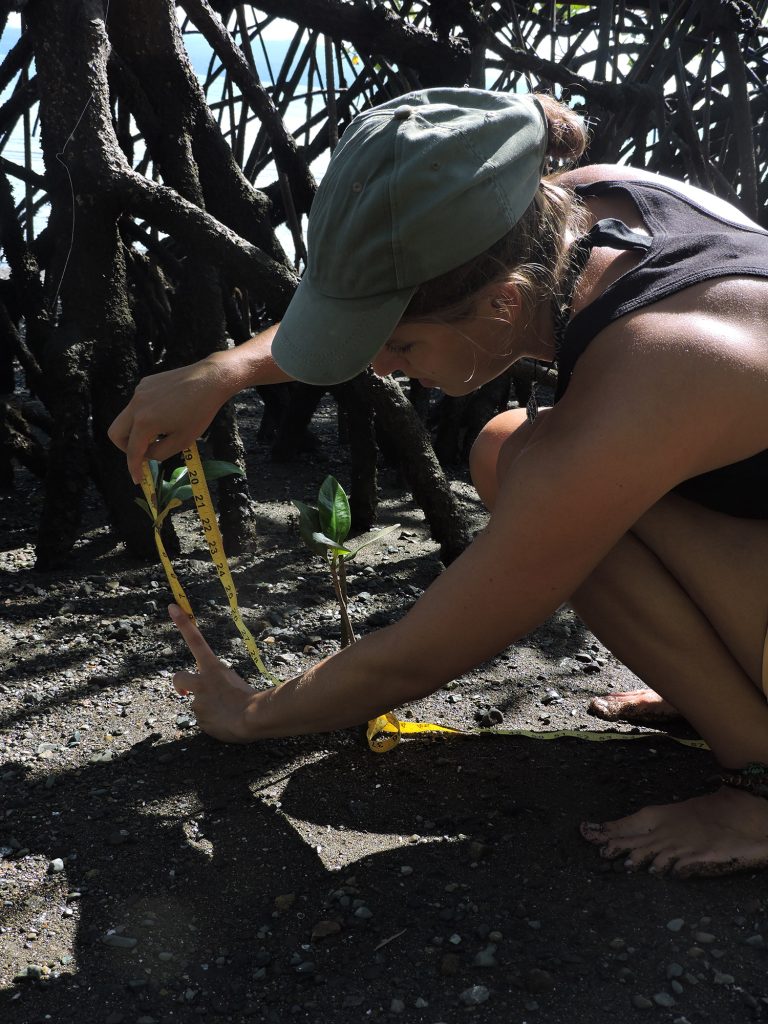
- Mornings: Participate in beach clean-ups (removing debris that blocks nesting), exhumation of hatched nests to count survival rates, or biometric data collection.
- Afternoons: Educational workshops with resident biologist, wildlife monitoring on forest trails (tracking Agami herons, monkeys, and jaguars), or downtime to explore the reserve.
- Nights: Turtle Patrols. Split into small shifts to patrol the 6km beach. If a turtle is found, you will assist in measuring, tagging, and relocating eggs to the safety of the hatchery.
- Overnight: Laguna Urpiano
- Morning:
- Bid farewell to the research team and take the boat back to the mainland.
- Journey back to the pacific, stopping en route for lunch and a canopy tour of the highland rainforest.
- Afternoon: Aerial Tram through the canopy levels, guided nature tour (butterfly garden, terrarium (snakes, frogs, turtles), orchid garden, hummingbirds). Possibility of seeing tapirs.
- Overnight: Paraiso de Esparza
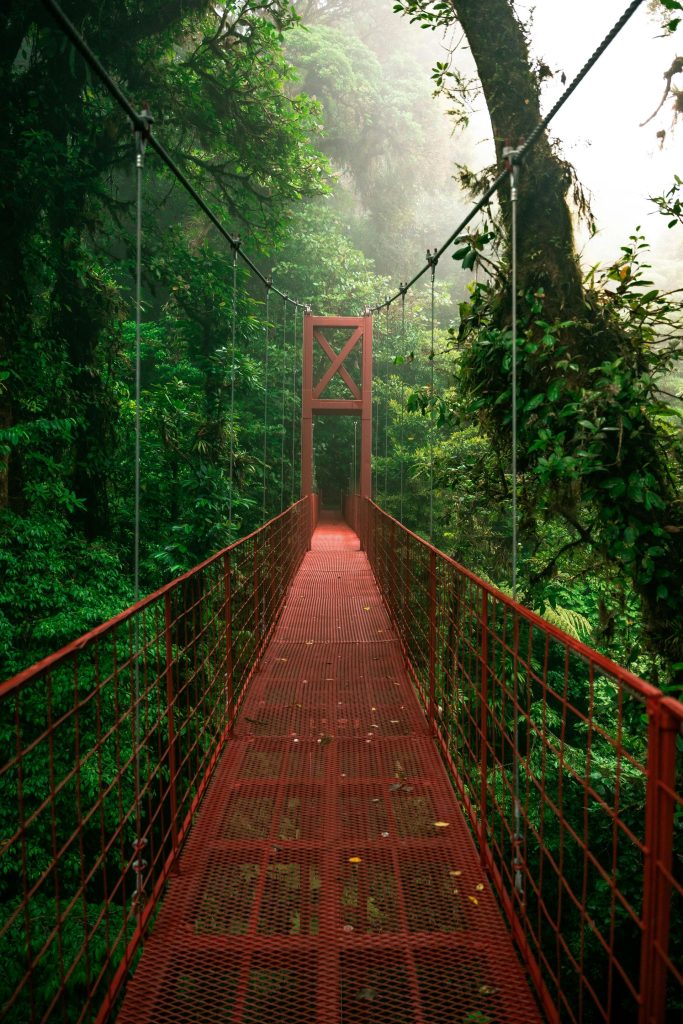
- Monteverde Cloud Forest Reserve – La Ventana, views of Pacific and Atlantic. Natural History TourAn ideal experience for nature lovers, this tour, led by a certified guide, takes you deep into Monteverde’s remarkable cloud forest. You’ll discover its fascinating plant and bird life while also uncovering the region’s cultural and historical heritage.
A rare chance to explore the cloud forest alongside an expert. - Overnight: Paraiso de Esparza
- Morning: Visit a palm oil farm, part of what makes the area of Manuel Antonio unique in Costa Rica. Gain an understanding of the value of this crop for the local area, and an appreciation of the intense work needed to produce and process palm oil.
- Lunch
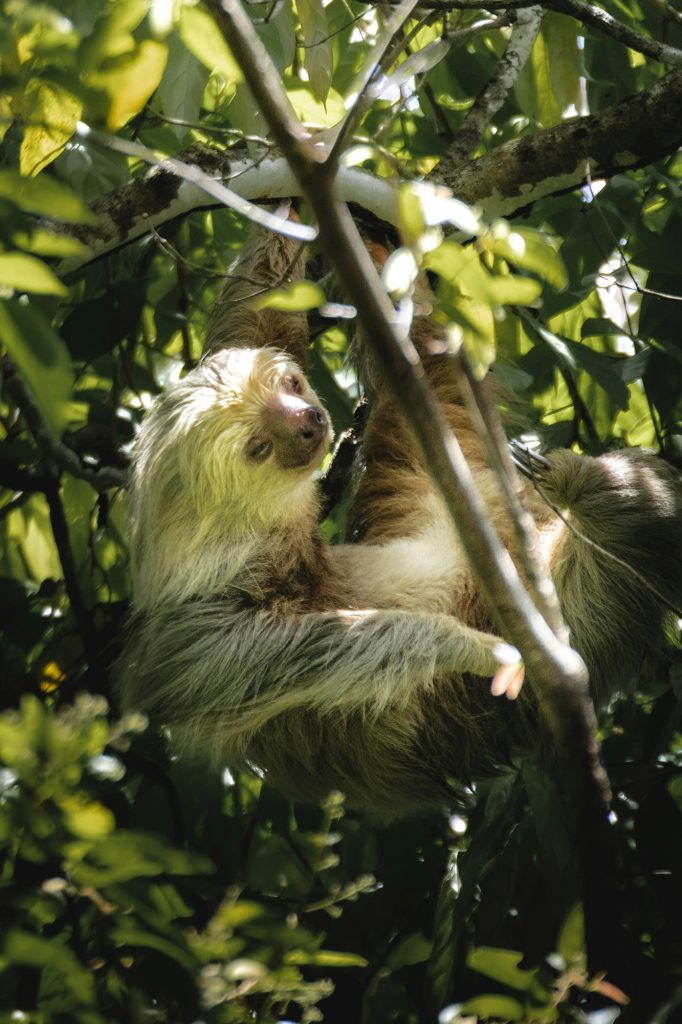
- Evening: Mangrove boat tour, viewing monkeys, basilisks, sloths, possibly crocodiles, and a wide variety of birdlife.
- Overnight: Uvita
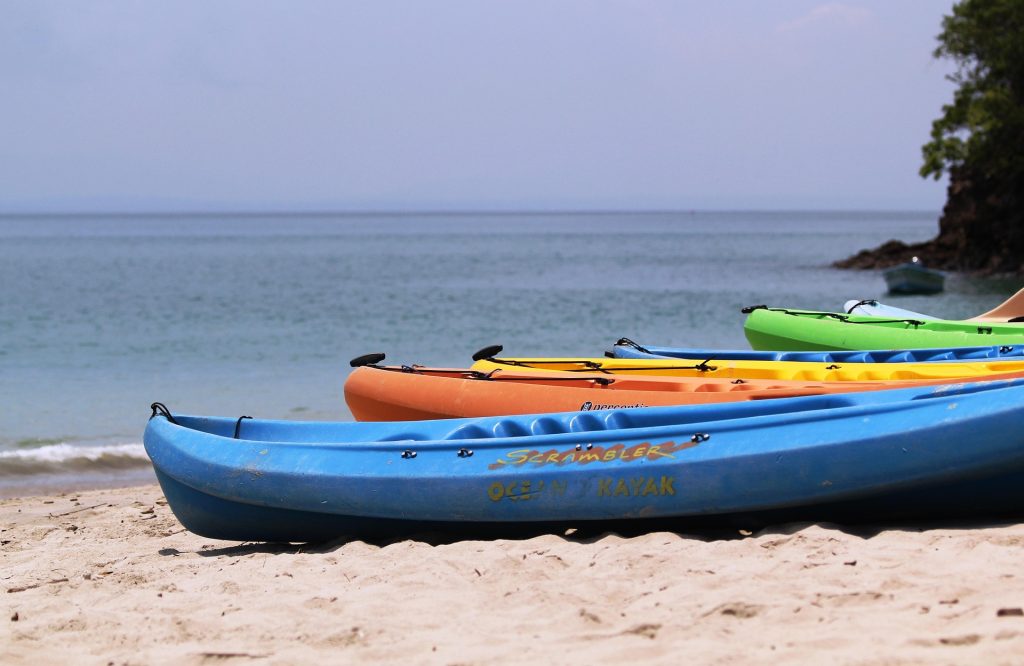
- Morning: Kayak through protected river and mangrove with indigenous guide.
- Lunch: Traditional lunch with the Boruca community.
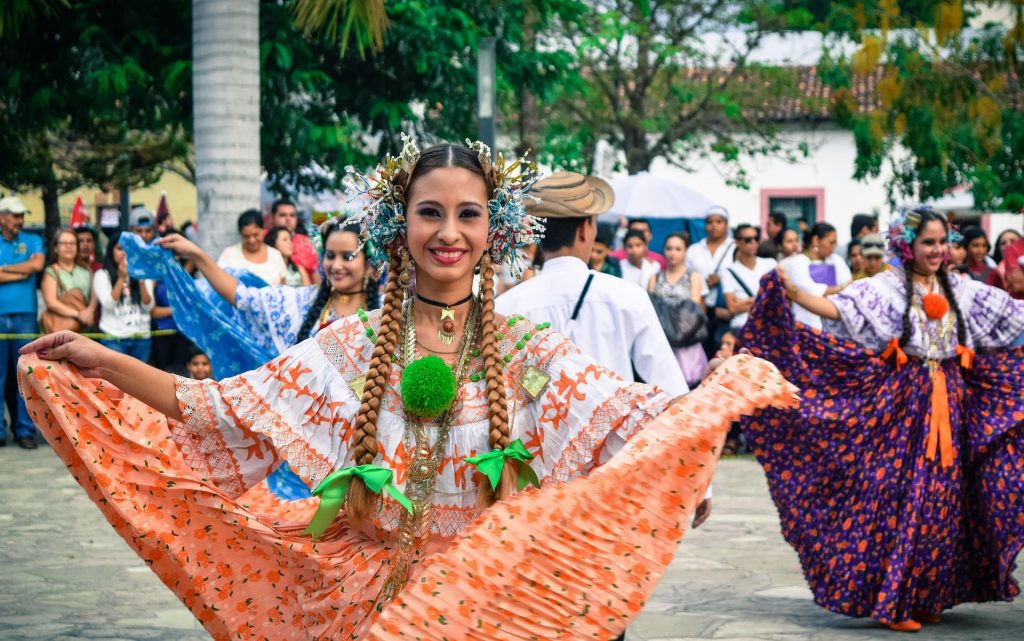
- Afternoon: Learn about Boruca culture. Medicine, history, socio-political situation, links with the land and their deep knowledge of their environment. Learn about traditional cloth making, mask making, ritual dances, such as the famous Devil Dance. Real sustainable tourism, with all money going directly to the Boruca people.
- Overnight: Uvita
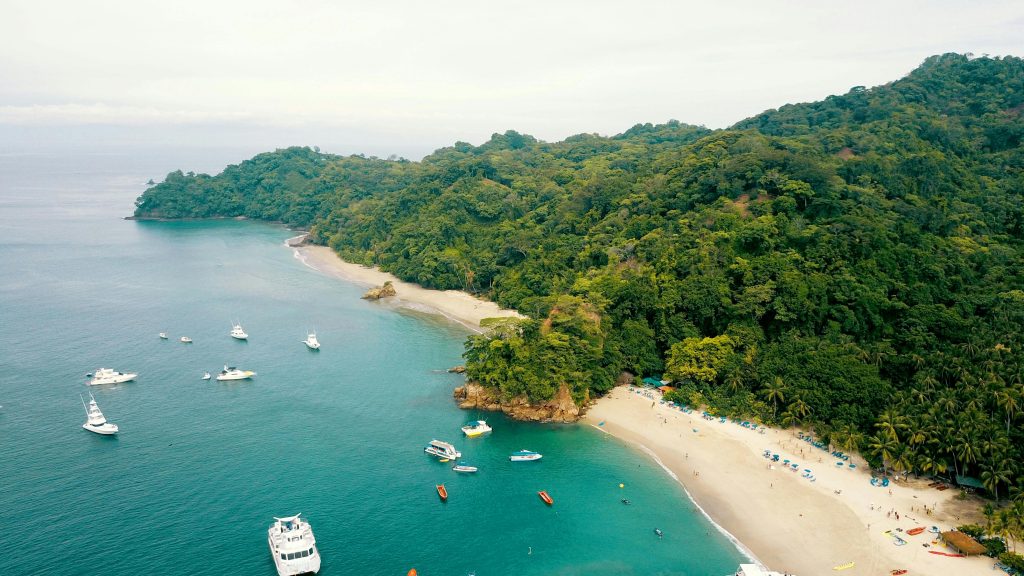
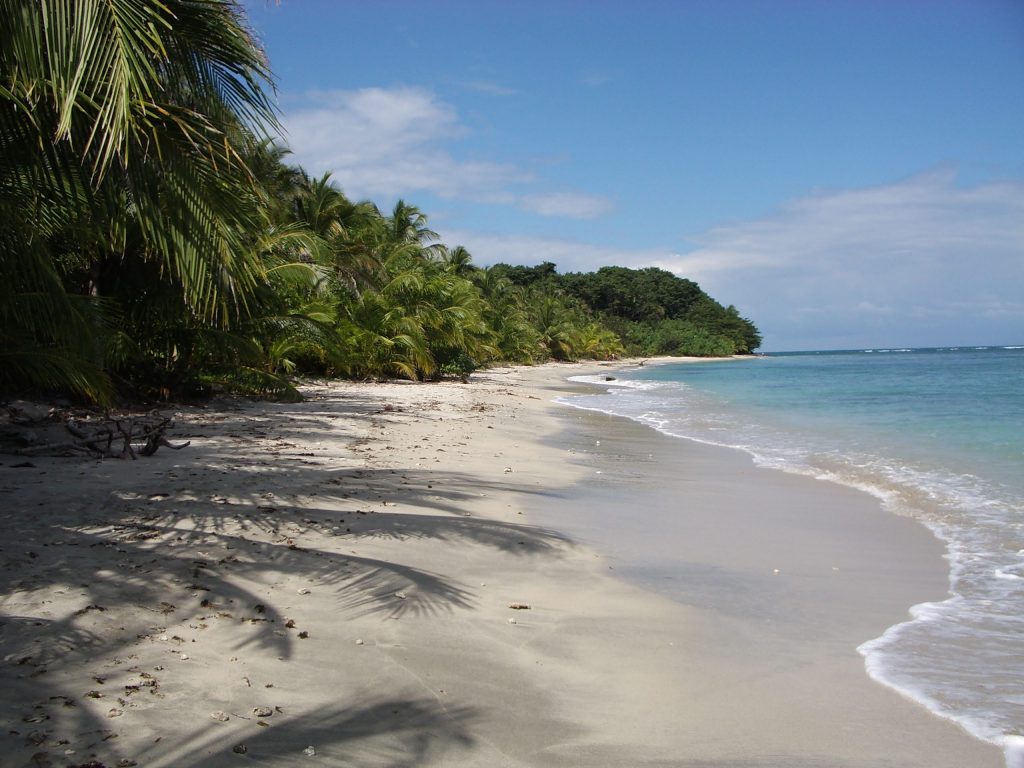
Marino Ballena National Park in Uvita, Costa Rica serves as a vital nursery for humpback whales, offering a protected environment where they can breed and care for their young. Its warm, tranquil waters play an essential role in their reproductive cycle, and the park’s location makes it a meeting point for whales migrating from both the Northern and Southern Hemispheres at different times of the year.
- Morning: Embark on a search for humpback whales and 2 species of resident
dolphins, visit the coral and rock reefs and snorkel to observe the wonderful marine wildlife and view the caverns of Ventanas. Snorkelling is weather permitting. Fruit and water provided. - Afternoon: After lunch in town, return to National Park to swim or to relax on the beach. Return to Esparza
- Overnight: Paraiso de Esparza
- Morning: Welcome, introduction, and overview of Natuwa and environmental enrichment. Guided tour of the sanctuary, including explanations of rescued wildlife, their stories, and enrichment needs.
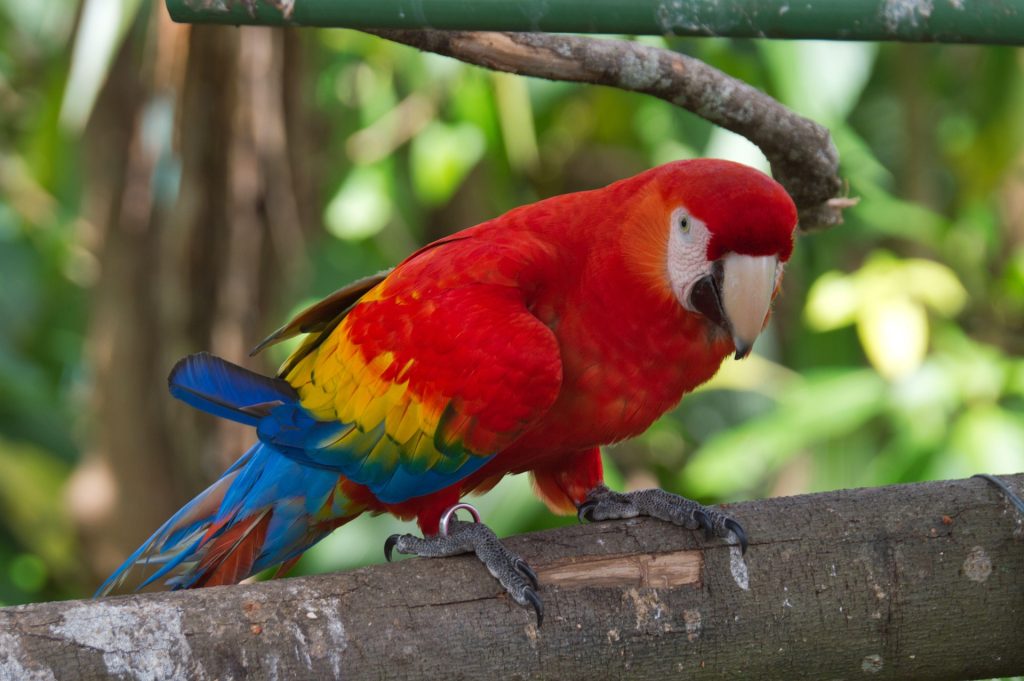
- Environmental Enrichment Workshop – Part 1: creating enrichment toys for parrots and tapirs. Snack break
- Environmental Enrichment Workshop – Part 2: creating enrichment items for tayras and emus
- Lunch:
- Afternoon: Delivery of enrichment items to animal enclosures, with guided observation of animal behavior
- Group reflection and discussion on animal welfare
- Farewell, closing, and souvenir distribution
- Overnight: Paraiso de Esparza
- Morning: 4 Waterfalls Tour Tractor ride and guided walk through primary forest, crossing three hanging bridges and visiting four waterfalls. Opportunities to spot birds and reptiles.
- Lunch:
- Afternoon: Fumaroles & Hot Springs Visit the active crater area of Miravalles Volcano. Enjoy mud baths, three thermal pools, and a sauna.
- Overnight: Paraiso de Esparza
- Morning: Rio Tarcoles. Crocodile boat tour on River Tarcoles and the mangroves. See crocodiles, birds and monkeys up close.
- Afternoon: Zip Lining in Jaco with canopy tour. Souvenir shopping on the way back.
- Evening: Farewell Dinner with the group to celebrate the conservation work achieved and memories made.
- Overnight: Paraiso de Esparza
- Transfer to Juan Santamaría International Airport (SJO) in time for your flight home.
- Pura Vida!
Please get in touch to discuss your required dates of travel, noting we need 10 of more participants on this trip to be able to run it.
Ideally avoid Easter and Christmas, as public holidays can disrupt elements of the itinerary.
-
Accommodation (14 Nights):
-
5 Nights at the Laguna Urpiano Research Station (Rustic, hostel style, shared facilities).
-
9 Nights in comfortable 3-star hotel and in hostels.
-
-
Meals:
-
Daily breakfast at all locations.
-
Full Board (Breakfast, Lunch, and Dinner) while staying at the Laguna Urpiano Reserve.
-
Almost full board throughout. One lunch to be bought en route to the Caribbean and one in Monteverde, allowing you to explore away from set menus.
-
Welcome and Farewell dinners.
-
-
Transport:
-
Private, air-conditioned transfers for all road travel.
-
Private boat transfers through the Caribbean canals to/from the Reserve.
-
-
Guides & Support:
-
Full-time accompaniment by an expert bilingual Guide / Tour Leader.
-
On-site support from research biologists and conservationists at Laguna Urpiano Reserve.
-
Specialist guides for technical activities (Kayaking, Zip-lining) and site tours .
-
-
Conservation Contribution:
-
Donation to the Ecology Project International (or relevant body) and research fees that support the turtle protection program.
-
-
Activities & Entrance Fees:
-
Turtle Conservation: Training, night patrols, excavation workshops, and beach clean-ups.
- Animal Rescue: Interactive Animal Sanctuary workshop
-
Adventure: Kayaking on the Corcovado River (including safety gear: helmet, life vest, paddle).
-
Culture: Indigenous community visit and cloth making workshop/tour.
-
Nature: Guided boat safaris, Miravalles Volcano and waterfalls hike, , Monteverde Cloud Forest tour, two canopy tours in different climates.
-
Adrenaline: Zip-line Canopy Tour in Jaco.
-
Relaxation: Entrance to volcanic Hot Springs and mud baths (Miravalles) and beach afternoon (Bahia Ballena National Park, Uvita).
-
-
International Flights: Flights to and from San José (SJO).
-
Travel Insurance: Mandatory comprehensive travel insurance (must cover manual conservation work and Kayaking, Ziplining).
-
Two lunches: Buffet en route to the Caribbean and lunch in Monteverde town.
-
Visas: If required for your nationality (UK, USA, and EU citizens generally do not require a visa for tourist stays).
-
Optional Activities: Any extra excursions not listed in the itinerary (e.g., surfing lessons, bungee jumping, or extra wildlife sanctuary visits).
-
Personal Expenses: Souvenirs, laundry services, snacks, and alcoholic beverages.
-
Tips & Gratuities: Tips for your Tour Leader, local drivers, and rafting guides (discretionary but appreciated).
-
Departure Tax: Approximately USD $30 (often included in airline ticket prices, but please check).
Suitable for ages 18 to 65
Participants under 18 must be accompanied by a responsible adult.
The conservation phase requires specific gear to protect the turtles and ensure your comfort:
- Headtorch with Red Light: White light scares turtles and can stop them from nesting. You must have a headlamp with a red-light setting for night patrols.
- Dark Clothing: Bright colours reflect moonlight and can spook the turtles. Pack black or dark grey trousers/leggings and shirts for night patrols.
- Closed-toe Hiking Sandals/Shoes: For walking on debris-filled beaches in the dark.
- Dry Bag: To keep electronics safe during the boat transfer and rafting.
This trip is rated Moderate to Active.
- Patrols: You may walk up to 10km (6 miles) a night on soft sand, often in humid conditions or rain.
- Kayaking: The Kayaking involves paddling for 3-4 hours. No experience is needed, but you must be able to swim and follow guide instructions.
- Hiking: There are steps in some areas, such as Monteverde and uneven terrain on the volcano hike particularly.
- Costa Rica is a tropical country, so be ready for heat and humidity in some areas. Monteverde and Miravalles can be colder.
The Reserve is a working research station, not a hotel. Accommodations are comfortable but rustic
- Expect shared bathrooms and cold-water showers (refreshing in the heat!).
- Electricity may be solar-powered and limited to certain hours.
- There is usually no Wi-Fi and poor cell service, allowing you to fully disconnect.
- This is right out in nature, a true experience of traditional living.
The kayaking in Osa/Uvita region is a highlight, but it is not mandatory. If you are uncomfortable you do not need to do the kayaking. Please inform us at the time of booking.
While we schedule trips during the nesting season to maximize chances, wildlife sightings are never guaranteed. However, by staying at the reserve for multiple nights and patrolling with expert biologists, your chances of witnessing a nesting event or a hatching are very high compared to standard tourist tours.
The following are generally not included in the trip price:
- Tips: It is customary to tip nature guides and drivers (USD $5 to USD $10 per day is standard).
- Optional Activities: Extra surfing lessons, extra activities, extra food or souvenir shopping.
- Departure Tax: Most airlines now include the departure tax in the ticket price, but it is worth checking to ensure you don’t need to pay this at the airport.
- Lunch in Monteverde 5 to 15 GBP depending on choices.
Costa Rica is a year-round destination, but the “best” time depends on what you want to see.
- Dry Season (High Season): Runs from mid-December to April. This is the sunniest period, ideal for beach time and hiking.
- Green Season (Rainy Season): Runs from May to November. While you can expect daily afternoon showers, the mornings are usually sunny, the landscape is incredibly lush, and crowds are smaller.
- Wildlife Note: If your priority is Green Sea Turtles (Tortuguero), July to October is best. For Leatherback Turtles (Caribbean/Pacuare), March to July is the prime nesting season.
Costa Rica is a tropical country, but microclimates vary hugely by region.
- The Coasts (Caribbean & Pacific): Hot and humid (25°C–32°C / 77°F–90°F) year-round.
- The Highlands (San José & Coffee regions): Mild and “spring-like” (20°C–25°C / 68°F–77°F).
- Cloud Forests (Monteverde): Much cooler, misty, and windy. You will need a sweater or light jacket here, especially in the evenings.
Citizens of the UK, USA, Canada, and most EU countries do not need a visa for tourist stays of up to 180 days. However, you must have a passport valid for the duration of your stay and proof of a return or onward ticket (this is strictly checked by airlines).
In most major towns and cities (like San José, La Fortuna, and Manuel Antonio), the tap water is safe to drink. However, in remote areas, coastal eco-lodges, or the Pacuare Reserve, we recommend using a refillable bottle with a built-in filter or drinking purified water provided by the accommodation.
The local currency is the Costa Rican Colón (CRC). However, US Dollars are widely accepted in tourism areas. We recommend bringing a small amount of US Dollars (small denominations, clean notes) and using ATMs in major towns to withdraw Colónes for local shops and snacks. Credit cards are widely accepted, but cash is king in rural communities.
Costa Rica is generally considered the safest country in Central America. Violent crime against tourists is rare. However, petty theft (pickpocketing or bag snatching) can happen, particularly in transit or on public beaches. Never leave valuables unattended on the beach or in an unlocked car.
Seasonal Information
We had such a special day at Monteverde and what an amazing learning experience for our young people. Huge thanks for looking after us and curating a fascinating and enjoyable trip. Simon Fox
A perfect experience to connect with nature and give back to worthwhile conservation efforts. So many natural wonders of the world all in once place and a lovely group I travelled with. Thanks to all. Beth Hampton
The trip has a great blend of conservation with adventure and connecting with local people. The food in Costa Rica is delicious and the team made us feel very welcome. Connor Jensen